
Hair fall is among the most common issues that concern everybody, regardless of age, gender, and style of life. Not only will losing hair affect your image, but it may also affect your confidence and self-esteem. Although some shedding of hair is normal (50-100 strands per day), excessive hair fall is an issue that can not be overlooked.
Luckily, by means of proper care and some basic measures at home, it is possible to minimize hair loss and maintain healthier and stronger hair. In this blog, we shall be talking about 7 effective hair fall remedies at home in a simple, convenient, safe, and effective way. These solutions can be applied daily or weekly and can have a great effect on the health of the hair in case regularly use.
Understanding Hair Fall
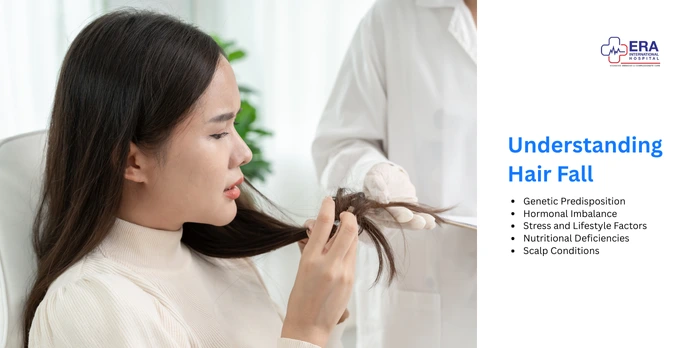
To attempt any home remedies, it is important to know the reasons why hair falls. Hair is an organic structure, and its development is contingent on a number of external and internal factors. The reason is the initial step to selecting the appropriate hair fall solution at home.
Genetic Predisposition
The loss of hair is sometimes familial. In case your parents or grandparents were thin-haired or bald, then you are naturally at risk of hair loss. The most prevalent genetic cause of hair loss is known as androgenetic alopecia or male or female pattern baldness. This is because the hair follicles gradually decrease in size and become thinner and shorter in length, resulting in thinning that is noticeable.
Hormonal Imbalance
Hormones are crucial in the regulation of hair growth. Hair fall can be caused by shifts in hormone levels as a result of pregnancy, menopause, thyroid problems, or even stress. As an example, postpartum hair loss is typical, as the hormone concentration equilibrates after the child is born. Hormonal loss of hair is usually temporary, but it should be well taken care of to avoid extended thinning.
Stress and Lifestyle Factors
Stress can lead to a disrupted hair growth cycle when it is acute and causes a person to enter the shedding stage before the normal time-span is reached- a condition called telogen effluvium. Hair loss can be aggravated by poor sleep, work pressure, bad lifestyle habits like smoking, lack of exercise, and a bad diet. This can include stress management, exercises, and mindfulness programs as a complement to any hair fall remedy at home.
Nutritional Deficiencies
Hair has to be fed properly to grow. Lack of proteins, iron, vitamin D, zinc, and biotin may make the hair follicles weak, which will cause shedding. To give an example, a deficiency of iron may result in brittle hair, and a deficiency of protein will slow down the hair growth process. To maintain healthy hair, it is important to maintain a balanced diet to supplement the home remedies.
Scalp Conditions
Hair fall can be among the contributors of unhealthy scalp. Dandruff, seborrheic dermatitis, fungi, and excess oil accumulation are some of the conditions that may cause irritation in the head and weaken the follicles. Washing the head and keeping it hygienic is a necessary procedure when using a hair fall remedy at home.
Key takeaway: It is important to know the cause of hair fall. The best home remedies are those that aim at improving the health of the scalp and the hair, in addition to a healthy lifestyle.
How Home Remedies Help
Hair fall remedies at home will be effective because it helps to nourish your hair, increase scalp circulation, and strengthen the hair follicles. Although they do not treat the loss of hair due to health complications or genetic factors, they can have a big role in helping the hair, making it less prone to shedding, and sustaining a better strength of the hair.
Here’s how a hair fall remedy at home can make a difference:
- Reducing breakage and split ends: Natural treatments such as coconut oil, aloe vera, and protein masks are essential because they supply the hair with necessary nutritional value and hydration to make sure it does not turn brittle and is easily broken.
- Moisturizing and protecting hair strands: Hair is in a constant environment stress, like the sun, pollution, heat styling, etc. Home remedies assist in keeping the moisture, shielding the strands, and retaining the elasticity of the hair to keep it soft and strong.
- Improving scalp health and follicle nourishment: A healthy scalp is the key to strong hair. Scalp massages, essential oils, and other treatments such as onion juice enhance blood circulation, follicle nourishment, and alleviation of conditions such as dandruff and irritation, which provides the best contribution to hair-growth.
- Supporting new hair growth and preventing premature thinning: In many natural hair remedies, vitamins, minerals, and proteins are included that help to stimulate the dormant follicles so that they can grow thicker hair and prevent early thinning as they mature.
Consistency is essential. Using a good hair fall remedy at home, which is a part of your daily or weekly routine, along with a proper diet, hydration, and other gentle hair care, can slowly build strength in your hair, enhance thickness, and decrease hair fall.
7 Powerful Hair Fall Remedies at Home
The 7 effective remedies proven to work well and are remedies you can try at home are discussed below in detail so that you can get the best of them. All the cures feed the scalp and hair and promote the general health of the hair.
1. Coconut Oil Massage
Coconut oil contains the highest level of lauric acid, which is easily absorbed in the hair shaft and minimizes the loss of proteins. Frequent massaging with coconut oil makes hair stronger at the root to the tip, prevents the hair to break, and makes the scalp healthier.
How to use:
- Warm 2–3 tablespoons of coconut oil until lukewarm.
- Massage gently into the scalp using your fingertips for 5–10 minutes.
- Leave it for 1–2 hours or overnight for deep conditioning.
- Wash with a mild shampoo.
Benefits:
- Strengthens hair and reduces breakage
- Improves scalp blood circulation
- Provides natural shine and hydration
Pro tip: Add rosemary oil or peppermint oil with coconut oil to encourage growth.
Frequency: 2–3 times a week.
2. Onion Juice Application
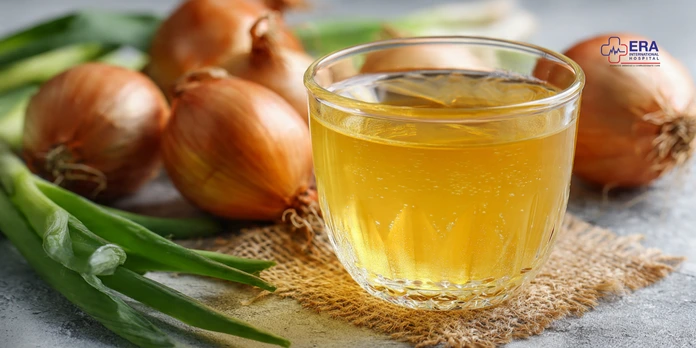
Sulfur is abundant in onion juice and is also necessary in the production of keratin, and helps in keeping the follicles healthy. It contains antimicrobial qualities as well that maintain the scalp and minimize infections that lead to hair fall.
How to use:
- Extract juice from 1–2 onions using a blender or juicer.
- Apply directly to the scalp and massage gently for 5 minutes.
- Leave for 15–20 minutes and rinse with a mild shampoo.
- Optional: Mix with honey to reduce the strong odor.
Benefits:
- Strengthens hair follicles
- Improves blood circulation to the scalp
- Reduces patchy hair loss
Frequency: One time a week to eliminate irritation.
Tip: Wear gloves so that your hands are not stained, and keep them out of reach of your eyes.
3. Aloe Vera Gel Treatment
Aloe vera calms the scalp, eliminates dandruff, and balances the PH. It provides a beneficial atmosphere to hair growth as well as moisturising dry hair.
How to use:
- Take fresh aloe vera gel from a leaf.
- Apply directly to your scalp and leave for 30–40 minutes.
- Rinse with lukewarm water.
Benefits:
- Reduces scalp irritation and dandruff
- Strengthens hair roots
- Provides hydration to dry hair
Pro tip: Add coconut or castor oil to get deeper nourishment.
Frequency: 2–3 times a week.
4. Egg & Yogurt Hair Mask
Hair consists of protein, and the use of protein-containing masks enhances hair and makes it less prone to breaking. Eggs and yogurt contain very necessary nutrients to restore and feed hair.
How to use:
- Mix one egg with 2 tablespoons of plain yogurt.
- Apply to scalp and hair evenly.
- Leave for 20–30 minutes.
- Rinse with lukewarm water and a mild shampoo.
Benefits:
- Repairs damaged hair
- Strengthens hair shafts
- Adds natural shine and softness
Frequency: Once a week.
Pro tip: Add a teaspoon of honey to this mask for extra moisture.
5. Green Tea Rinse
Green tea contains antioxidants called catechins that reduce oxidative stress on hair follicles. It also helps maintain scalp health and may reduce shedding.
How to use:
- Brew 2 green tea bags in 1 cup of hot water.
- Allow to cool and use as a final rinse after shampooing.
Benefits:
- Reduces hair shedding
- Improves hair density
- Protects follicles from free radical damage
Frequency: Twice a week.
Tip: Add a few drops of essential oils like peppermint or rosemary for extra follicle stimulation.
6. Balanced Diet & Hydration
Healthy, nutritious food helps in maintaining healthy hair. Protein, iron, omega-3 fatty acids, vitamins, and enough water are required to nourish hair and aid in its growth.
Include in your diet:
- Protein: eggs, fish, chicken, legumes
- Iron: spinach, kale, lentils, beans
- Omega-3 fatty acids: walnuts, flaxseeds, fish oil
- Vitamins: biotin, vitamin D, vitamin E
- Hydration: at least 8 glasses of water daily
Benefits:
- Strengthens hair roots
- Reduces hair breakage and thinning
- Promotes healthy growth
Tip: Avoid processed foods, sugary drinks, and crash diets that can weaken hair. Keyword integration: Eating a nutrient-rich diet complements any hair fall remedy at home.
7. Scalp Massage with Essential Oils
Essential oils like rosemary, peppermint, and geranium stimulate scalp circulation, promote follicle health, and provide nourishment.
How to use:
- Mix 3–4 drops of essential oil with a tablespoon of carrier oil (coconut or almond oil).
- Massage scalp for 5–10 minutes.
- Leave for 1–2 hours and wash with mild shampoo.
Benefits:
- Stimulates hair growth
- Strengthens roots
- Reduces dryness and flakiness
Frequency: 2–3 times a week.
Pro tip: Use essential oils suited to your scalp type. Dry scalp: lavender or geranium; oily scalp: rosemary or peppermint.
Winter & Seasonal Hair Care Tips
The hair care should also change according to the season since the weather conditions influence the health of hair in different ways. Winter air is cold, dry, and may cause the hair to be brittle and likely to break, and in summer, the hot sun may drain the hair, leaving it dry and faded. The humidity is also heightened by the monsoons, and it causes frizz, scalp infections, and weaker hair strands.
Winter: Lukewarm oils and moisturizing mask should be used to keep the hair moist and avoid brittleness. Stay away from hard scrubs or hot water, which will further dry out hair.
Summer: Cover the hair with UV radiation, the sun, and sweat. Washing should be avoided excessively, as this may deprive the body of natural oils, and light-weight oils or leave-in conditioners should be used to enliven the body.
Monsoon: The scalp is susceptible to fungus due to the presence of high humidity. Dry the hair as much as possible, refer to mild, anti-fungal shampoos to avoid infection.
Tip: Customizing your hair fall solution at home based on the season you are in, such as using heavier oils in the winter or using a lighter treatment in summer, can help make your hair care routine more efficient and help prevent seasonal hair fall.
When to See a Doctor
Home remedies are useful in preventing hair fall and making the hair stronger, but when the hair loss does not stop or takes some artificial forms, it is advisable to see a doctor. You need to visit the doctor when:
- The shedding of hair takes a few months despite regular home care, and this shows that there is an underlying problem which has to be professionally assessed.
- The bald patches are either sudden or the hair becomes thin, and this may indicate alopecia areata or any other scalp condition.
- Scalp irritation, redness, or infections occur because when the condition of the scalp remains untreated, it may aggravate the loss of hair and destroy the follicles.
- Loss of hair is also associated with drug usage, hormonal disproportion, or medical problems like thyroid problems or polycystic ovary syndrome (PCOS).
Professional treatments can also entail such options as minoxidil, finasteride, PRP treatment, and laser treatment that focus on hair growth and follicle health at an even greater level than home remedies do.
Tip: Home remedies will still have a significant role to play with medical remedies. Regular application of a proven hair fall solution at home will make hair stronger, scalp healthier, and complement professionally given treatments.
Conclusion
The problem of hair fall may be upsetting, yet through constant care, proper nutrition, and proper home treatment, you can make hair stronger and minimize shedding. The 7 potential homemade hair fall remedies mentioned include: coconut oil massage, onion juice, aloe vera, eggs and yogurt masks, green tea rinse, balanced diet, and essential oil scalp massages are feasible, safe, and can be integrated into daily lives without complications.
Consistency and patience are key. It is important to remember that home remedies are only available to enhance the health of hair, but cannot substitute professional help with a serious loss of hair or a genetic one. Begin using these remedies now to provide your hair with the care it deserves.
FAQs:
Q1: How will I stop my hair from falling naturally?
It is possible to reduce hair fall by using a natural way of combing, proper hair care, and lifestyle and diet. Home remedies such as coconut oil massages, aloe vera treatments, and masks made of protein-rich foods will make hair and follicles stronger. It is also essential to have a healthy diet, hydration, reduce stress, and avoid ,harsh chemical treatments. Things need to be consistent thus adding a credible hair fall cure to your routine at home can slowly change hair health.
Q2: What is the best home remedy for hair loss?
Some of the natural remedies work, and, commonly, the best remedy is simply dependent on your hair type and scalp condition. Massage with coconut oil, application of onion juice, and aloe vera gel are well known in the reduction of hair fall. These cures feed the scalp, make hair roots healthy, and enhance circulation. A combination of these treatments with proper diet, mild hair care, and essential oil scalp massages can present the best outcomes as a hair fall treatment in the house.
Q3: Which food stops hair fall?
Eating a nutrient-rich diet can prevent hair loss and promote growth. Include foods high in:
- Protein: eggs, fish, chicken, legumes
- Iron: spinach, kale, lentils, beans
- Omega-3 fatty acids: walnuts, flaxseeds, fish oil
- Vitamins: biotin, vitamin D, vitamin E
It is also necessary to be hydrated. The foods make hair follicles stronger, less likely to break, and healthy, so that whatever home remedy you use to control hair fall reinforces it.

