
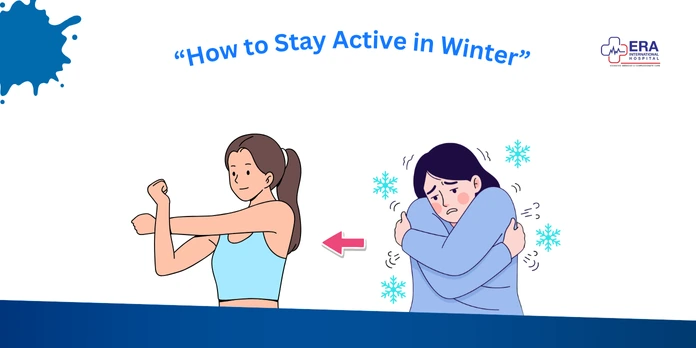
Winter is frequently associated with warm blankets, hot beverages, and protracted evenings, which is why it is easy to remain at home. Nevertheless, it is even more crucial to be physically active in the colder months. The cold weather, reduced daylight duration, and snow or ice may complicate the movement, but active movement is important to body immunity, energy, and psyche.
In the winter season, being active does not only mean working to lose weight but also to make sure that your body is strong, your heart is working, and your mood is good. The following guide will demonstrate how to stay active in winter using 7 simple tricks that can be implemented by anyone who wants to either continue working inside, go out and have fun, or move around to get a quick workout in between tasks throughout the day.
Why Staying Active in Winter is Important
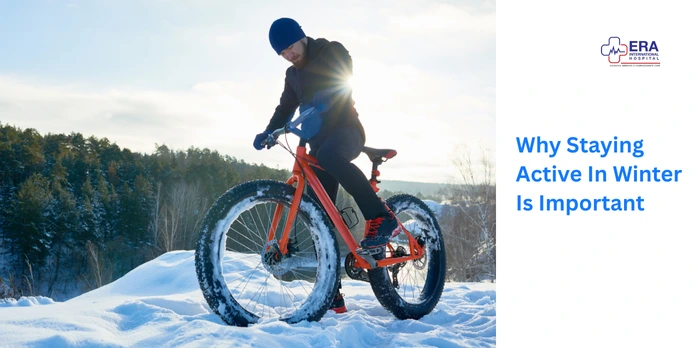
The winter season is usually characterized by a lack of energy, weight gain, and fatigue of the season. Knowing the importance of not being inactive during the winter will make it easier to deal with those difficulties.
1. Boosts Immunity
Exercise also contributes to the immune system, and hence your body becomes more resilient against cold, flu, and other diseases. Moderate exercises such as quick, energetic, and lively walking or stretching also enhance the flow of blood, as a result of which white blood cells move more effectively throughout your body.
Take the winter immunity drinks, such as warm ginger tea, and a light activity. This not only keeps you busy but also helps you to stay healthy in all cold months.
2. Supports Cardiovascular Health
Even when in a house, your heart will work even in winter. Regular physical activities maintain blood pressure, enhance blood circulation, and do not put one at risk of developing heart-related complications. Exercises such as walking or snowshoeing in the mountains, coupled with cardio exercises in a house, are healthy to keep the heart fit.
3. Enhances Mood and Mental Health
The winter blues can also be caused by seasonal alterations and the lack of sunlight, which may cause fatigue or mild depression. Endorphins are released as a result of doing exercise, and they make us feel better, reduce stress, and generate more energy. Exercising and spending time in the sunlight, even 20-30 minutes per day, can make a huge difference in mental health.
4. Maintains Strength, Flexibility, and Balance
The colder the muscles, the stiffer and more likely to get injured. Exercise is a way to keep oneself strong, flexible, and balanced to minimize the chances of falls or strains. Even when the weather is freezing, simple body exercises such as yoga or even light resistance training, all at home, can keep the muscles on their toes.
Add a few stretches and movement exercises each day, which can also improve your posture and reduce stiffness caused by sitting in the office.
How to Stay Active in Winter: 7 Actionable Tips
The winter can force one to stay home and avoid physical activities. However, with some clever tricks, you will be able to be on the move, healthy, and energized. This is a step-by-step account of the 7 tips that will assist you in getting through the colder months.
1. Dress Appropriately for Cold Weather
Proper garments can make winter training enjoyable and comfortable. Layering is important when the weather is cold.
- Base Layer: Begin with moisture-wicking fabrics such as polyester or merino wool. These draw sweat off your skin so that the chills are not wet.
- Insulating Layer: Fleece or wool is warmer. This is the layer that keeps your core warm without limiting the movement.
- Outer Layer: Jackets to cover the outer part are windproof, waterproof, and protect you against wind, snow, or slight rainfall. Breathable fabrics avoid overheating and, at the same time, keep you dry.
- Accessories: Scarves, hats, thermal socks, and gloves are necessary. Extremities cool very fast, and they should be kept warm to avoid discomfort or frostbite.
- Footwear: Shoes that are well-gripped minimize the chances of falling over on an icy or wet surface. Running shoes or boots that are insulated are best.
Extra Tip: Work out in the daytime when it is warmer and use reflective clothing in case you are out in the dark before sunset or after the sun rises.
Benefits: Correct clothes keep one warm, avoid cold-related injuries, and outdoor activity is not so scary but pleasurable.
2. Warm-Up Before Outdoor Activities
Strains and injuries are more likely to occur in cold muscles, and therefore, there is a need to warm up.
- Light Cardio: Jogging, marching, or jumping jacks for 5-10 minutes. This raises the blood circulation and slowly warms your muscles.
- Dynamic Stretches: Arm swings, leg lifts, and torso rotations stretch your joints and get your body ready to move.
- Indoor Mobility Exercises: When it is very cold outside, you should begin by doing light movements in the house to prepare your body.
Extra Tip: Once you have warmed up, go on a quick stroll outside to enjoy the sun, which also works to make your body generate vitamin D and give you an elevated mood.
Benefits: An adequate warm-up will make your body less stiff, decrease the chances of injury, and make sure your body is safe and effective in working under cold conditions.
3. Take Advantage of Indoor Exercise Options

In the off-season, indoor exercises can help you stick to your routine and remain healthy.
- Home Workouts: Yoga, pilates, bodyweight, and resistance bands are quite space-saving. They enhance both strength and flexibility and balance.
- Gym or Community Center Workouts: Stationary bikes, treadmills, indoor swimming, or group classes allow a structured exercise.
- Winter Workout Schedule: Plan specific days for indoor exercise to avoid gaps in activity.
Extra Tip: A full body routine will include combining cardio exercise, strength exercise, and flexing. E.g., 20 minutes of yoga with 15 minutes bodyweight training will keep things interesting and efficient.
Benefits: Indoor exercises help avoid stagnation, keep fit, and elevate mental well-being by stopping winter fatigue or cabin fever.
4. Incorporate Short Activity Breaks During the Day
When you spend many hours at a desk or at home, it is important to have short breaks of movement.
- Short Breaks: Have 5-10 minutes as either one of the following every hour: stand, stretch, walk, or climb up and down the stairs.
- Ideas: Desk stretches, standing yoga poses, or mini cardio bursts like jumping jacks.
Extra Tip: These breaks should be accompanied by a healthy hot beverage to keep energy and warmth up. A warm lemon water or ginger tea may be refreshing.
Benefits: These mini-breaks increase blood circulation, lessen muscle stiffness, increase energy, and keep your muscles going even on non-exercise days.
5. Choose Winter-Friendly Outdoor Activities
Outdoor exercises provide fresh air, sunlight, and mental stimulation.
- Walking or Jogging: It should be safe with reflective clothing and proper footwear. Even in the short walks through your neighbourhood, you are accruing great health benefits.
- Ice Skating or Snowshoeing: It is an enjoyable activity and makes use of several muscles, enhancing strength and balance.
- Hiking: Winter trails are beautiful, healthy, and provide an opportunity to enjoy nature.
Safety Tips: Wear clothes properly, watch the weather, and drink enough water. Do not step on slippery or icy floors to avoid injuries.
Benefits: Outdoor exercise improves mood, builds muscle, promotes heart health, and provides you with a natural dose of sunshine.
6. Set Goals and Track Progress
The presence of clearly defined goals makes you motivated and responsible.
- Examples: Have targets on the number of steps to take each day, hours of exercise each week, or mini-challenges like climbing the stairs a specified number of times.
- Tracking Tools: Apple Watch, or journal: Track your progress and keep up with it using apps, wearables, and journals.
Extra Tip: Keep your milestones small, like a healthy meal, a new workout item, or an enjoyable outdoor event.
Benefits: Goal-setting promotes consistency, leads to a feeling of achievement, and helps to establish long-term healthy habits.
7. Stay Motivated with Social Support and Fun Activities
Working out is more enjoyable and social, thus easier to stick to.
- Workout Partners: Friends, relatives, or a personal fitness group can offer support and motivation.
- Gamify Workouts: To make workouts interesting, track the accomplishments, compete with friends, or make it a personal goal.
- Winter Fitness Challenges: Participate in local or online programs to have fun activities during the season.
Benefits: Social support enhances motivation, social connection, makes the workouts more entertaining, and transforms the habit of exercising into a long-lasting one.
Common Mistakes to Avoid While Exercising in Winter
Despite the great intentions, most of the time, lots of individuals commit mistakes that decrease the efficiency of their exercises or endanger their safety due to the colder weather. The knowledge of such traps can help you keep safe, motivated, and consistent when learning how to be active in winter.
- Skipping Warm-Ups or Stretching
Cold muscles are inherently stiff, thus vulnerable to strains or pulls. Plunging into extreme exercise without getting warmed up may result in injury. It is best to begin with light cardio, up to moving around with dynamic stretches and mobility exercises, before going outside. - Overdressing or Underdressing for the Weather
Excessive layers will result in you overheating and sweating too much, whereas wearing too little will make you vulnerable to health hazards that are associated with cold. Wearing the correct amount of clothing, moisture-wicking, and wrapping up extremities are all necessary when exercising during winter. - Ignoring Icy Conditions or Safety Precautions
Falls and injuries may happen as a result of slippery pavements, snow-covered walks, or poor visibility. Always look at the weather, take routes that are safe, wear reflective clothing, and wear shoes that have good grip. - Only Relying on Indoor Workouts Without Outdoor Exposure
Gyms are excellent, and doing everything indoors is an opportunity cost to give up sunshine, vitamin D, and the mood-enhancing effect of fresh air. Even exercises involving walks outside in the daytime can be added to indoor exercise programs. - Not Tracking Progress or Setting Realistic Goals
It is very easy to get demotivated without set objectives. Not tracking progress may decrease the level of uniformity and complicate outcome observation. Track the levels of activity with the help of apps, wearables, or journals, and set realistic goals.
Extra Tip: Listen to your body. Pushing too hard in cold weather can lead to muscle strains, fatigue, or even hypothermia. Adjust intensity, take breaks when needed, and stay hydrated.
Winter Exercise Safety Tips
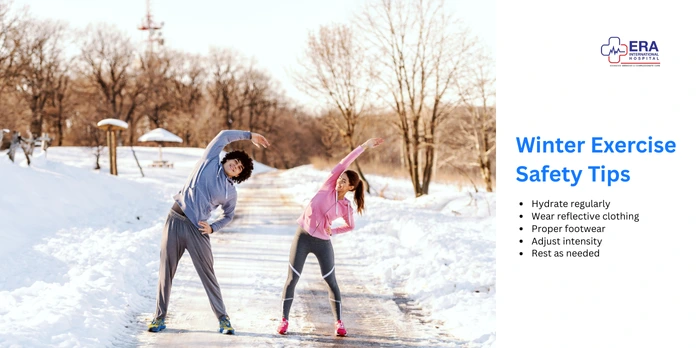
Working out in winter has some very special issues that may influence safety and performance. These tips would enable you to remain healthy, prevent injuries, and enjoy your winter workouts. Cautions are important in learning how to remain active during winter, but first, it is important to understand the precautions.
- Hydrate Regularly
The cold may force you to drink less water, but your body continues to lose water by sweating and breathing. The lack of proper hydration may result in fatigue, cramps, and low performance. Always have a bottle of water handy during your indoor and outdoor activities, and keep on sipping even when you are not feeling thirsty. - Wear Reflective Clothing
Days in winter are not as long, and the visibility may be low in the early morning or in the late afternoon. Reflective clothing or things put on will make sure you are seen by those driving or other people on the road, hence preventing any accidents. Combine this with bright colored layers to provide an added protection during outdoor exercise. - Proper Footwear
The probability of falls is augmented by slippery sidewalks, snow, and ice. Wearing shoes that are well-gripped, well-tractioned, and well insulated are used to prevent injuries. Ideally, trail running shoes, non-slip soles, winter sneakers, or boots. Good shoes are also beneficial for balance and stability on winter walks, jogging, or hiking. - Adjust Intensity
The cold weather might influence the performance and endurance of the muscles. You should also pay attention to your body and slow down when you feel tired, numb, or in pain. Begin with less time or intensity and keep increasing until your body gets used to the temperature. - Rest as Needed
Excesses in cold environments may put strain on its parts, cause hypothermia, or frostbite. Relax and unwind, and give your body some rest. The rest days are also significant to ensure long-term consistency.
Extra Tip: When working out outside in a remote location, pack a little safety kit, which includes a phone, water, and contacts. This will make assistance available in case of an untoward circumstance.
Conclusion & CTA: Enjoy Winter While Staying Active
Winter does not necessarily mean being inactive and without energy. With the help of these 7 useful tips, it is possible to be fit, boost your immune system, lift your mood, and be energized during the season. The mix of indoor exercises, outdoor time, and daily movement breaks will be the elements of a balanced routine and the experience of how to be active during winter.
Have realistic objectives, monitor progress, and have friends or family to provide motivation and accountability. Winter is a season to love winter-based activities such as snowshoeing, hiking, skating, or brisk walks, as they are fun.
Welcome the cold seasons-be consistent, have proper regard for safety, make the activity fun, and have a healthy and active winter lifestyle!
FAQs:
1. How to stop being lazy in winter?
Fight winter inertia by establishing small, attainable objectives of activities, making exercise regimens, and alternating inside and outside activities. Momentum is also preserved by taking short breaks on a daily basis.
2. How to be active during the cold?
Wear multiple layers, keep warm, and select winter-friendly exercises such as walking, snowshoeing, or indoor exercises to keep exercising even in cold weather.
3. How can I stay active all day?
Insert brief physical activity episodes, desk stretches, and moderate walking. Apps or trackers may remind you to exercise on a regular basis and keep your energy levels higher.
4. How to generate energy in winter?
Remain vibrant through physical exercise and adequate hydration, nutritious warm beverages, nutritious meals, and sunlight as far as possible. Exercise itself is also natural in terms of energy and mood elevation.

