

Jaundice is a condition that arises when high bilirubin blood levels produce yellow discolorations of both skin and eyes together with mucous membranes.
Patients diagnosed with jaundice usually need to see a doctor because the condition signals a possible liver condition including hepatitis or cirrhosis or bile duct blockage.
During jaundice managing what you eat helps your liver function better and speeds up your recovery. We often wonder if rice remains safe when a person suffers from jaundice.

Understanding what foods to partake in and which ones to stay away from becomes important for managing jaundice so we will review rice eating practices throughout this condition.
Can We Eat Rice During Jaundice?
You can enjoy rice during jaundice treatment as long as it received proper healthy preparation. The combination of simple digestion and useful carbohydrate content in rice benefits individuals who are experiencing liver stress. Here are a few points to keep in mind:
1. White Rice vs. Brown Rice:
White rice receives encouragement for jaundice patients because the refined grain and minimal fiber content and smooth digestion make it an excellent choice. During jaundice liver function becomes strained and easily processed white rice provides essential support to this strained function.
Although healthy, brown rice creates more work for the digestive tract because of its higher fiber content. Anyone healing from jaundice should limit brown rice consumption because this can trigger digestive problems and bloating.
2. How to Prepare Rice
To make rice easy on digestion prepare it with enough water until it becomes soft. Heavy concentrated oils should avoid use with preparations that also do not include butter and spices. An effortless steamed preparation works best for this dish.
A liver-friendly combination for eating rice consists of boiled vegetables together with clear soups and dal to make a balanced meal.
3. Portion Size
You should consume portions in moderation because larger amounts burden your digestive system. Eating smaller meals several times each day proves better during the jaundice period rather than eating substantial meals.
Foods to Eat During Jaundice
For liver health support eat foods that are both simple to digest and offer rich nutrients. Here are detailed recommendations for what to eat:
1. Fresh Fruits and Vegetables
Fruits and vegetables are best food source when it comes to dealing with jaundice. Recommended fruits and vegetables such as papaya, oranges, watermelon, apples, carrots, spinach, cucumbers, and beets help the body to recover faster in an infection.
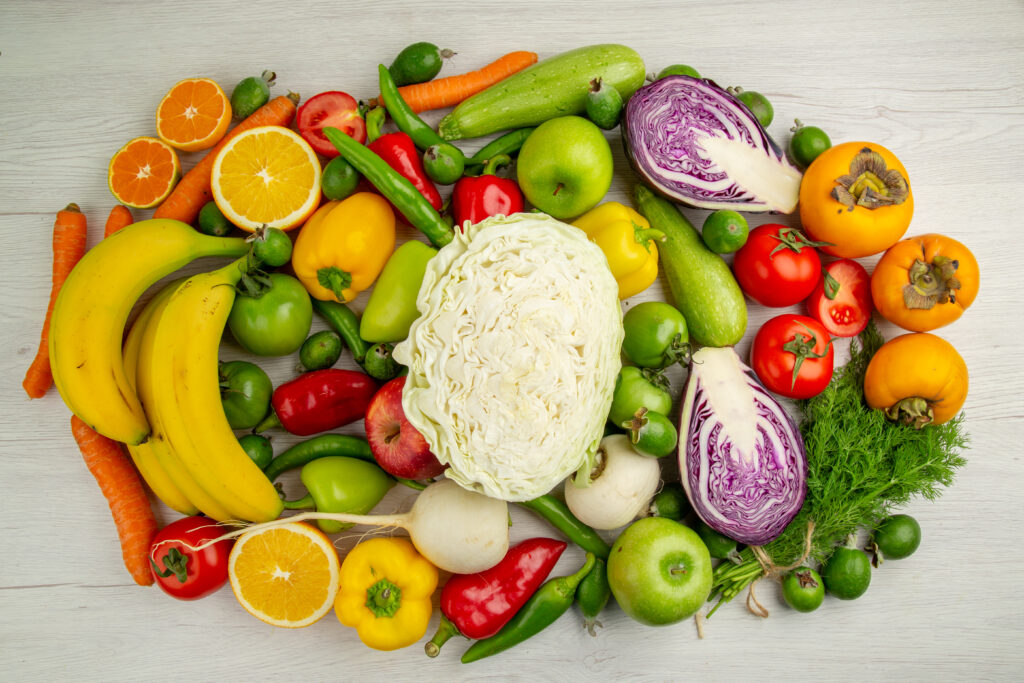
Why They Help?
The rich antioxidant content together with high moisture levels found in papaya and watermelon helps your body rid itself of toxic substances while cleansing out damaging molecules.
Spinach and carrots among other vegetables supply antioxidants along with vitamins A and C to improve liver healing and protect your immune system. Both cucumbers and beets can promote liver health because they act as hydrating detoxifiers.
Raw and boiled cooking methods remain the best option for your food preparation. Stay away from deep-frying and steering clear of excessive dressings because they strain the liver.
2. Whole Grains Consumed In Moderation
White rice along with semolina and oatmeal and flattened rice (poha) make whole grain choices suitable for jaundice.
Why They Help?
These whole grains offer your body constant energy while keeping liver activity minimal. The body can easily break down and fully absorb their basic components.
When preparing whole grains it is essential to avoid both added sugar and fatty gravies. For best results eat these foods alongside light broths and soups.
3. Lean Protein Sources
Use no more than two boiled eggs each day as well as lean chicken or steamed fish alongside lentils. Protein in diets have always been great for the bodily system to remain healthy and active.
Why They Help?
Tissue repair alongside liver-cell regeneration depends heavily on protein consumption. Nutritional elements in lentils with fish enhance amino acid content needed by livers for detoxification processes.
While preparing protein sources, avoid frying proteins. Steaming through boiling and grilling represent recommendation-approved cooking methods that produce health beneficial meals.
4. Herbal Teas
Various herbal teas possess recognized liver detoxification abilities. The healing properties of dandelion root tea lead to better bile production while also decreasing liver inflammation.
Drinking chamomile tea provides digestive relief and helps control nausea which accompanies jaundice symptoms.
5. Hydrating Fluids
Drinking coconut water with lemon water and buttermilk alongside fresh fruit juices without added sugar is a great hydrating fluid.
Dehydration can exacerbate jaundice symptoms. Drinking hydrated fluids helps perform bilirubin waste elimination from the body. Drinking coconut water allows the body to restore electrolytic balance and avoid fatigue formation.
Foods to Avoid During Jaundice
Several types of food reduce liver health by increasing inflammation and making recovery take longer. Here’s what to avoid:
1. Fatty and Fried Foods
Deep-fried snacks including samosas, chips and fried chicken should be completely removed from your diet. Unhealthy fats in these foods create too much strain for liver processing while worsening liver inflammation.
High-fat meats such as pork and lamb place additional strain on your digestive system making them sources to avoid.
2. Spicy and Oily Foods
Heavily spiced foods along with pickles and oily curries should be completely eliminated from your dietary plan. Food intake stimulates stomach lining irritation while inducing worsened nausea and disrupting digestion that leads to extended healing time.
3. Sugary Foods and Drinks
Avoid all types of soft drinks and candies and pastries and cakes. When consumed in large amounts the human body turns extra sugar into fat which increases the liver’s work responsibilities.
The absence of essential nutrients alongside unstable blood sugar from drinking sugary beverages will negatively affect your jaundice recovery process.
4. Alcohol
People holding jaundice conditions should abstain completely from alcohol since it disrupts liver function severely. Small amounts of consumed alcohol will worsen liver damage while simultaneously delaying recovery time and intensifying symptom severity.
5. High-Fiber Foods
Both raw broccoli and cauliflower as well as beans and brown rice whole grains need to be eliminated from the diet. The liver struggles with digesting high-fiber foods because of their complicated composition leading to intermittent bloating effects that intensify liver strain.
Tips for Managing Jaundice Through Diet
1. Eat Small, Frequent Meals:
Your daily food consumption should be split into multiple small meals which total between five and six portions. You can maintain energy levels steadily across the day while protecting both your digestive system and liver through this dietary strategy.
The answer to the question, can we eat rice during jaundice? is yes. However this can be in small frequent meals that are less in portion.
2. Prioritize Hydration:
Drinking 8-10 water glasses each day remains essential to achieve proper hydration. Drink coconut water combined with buttermilk and diluted lemon juice because these beverages can both reduce toxic materials and balance chemicals in your body. Avoid caffeinated or sugary drinks.
3. Avoid Processed Foods:
Your liver becomes overburdened when you consume processed foods because they contain preservatives along with artificial flavors and unhealthy fat ingredients.
Your diet should consist of meals that come straight from home preparation using natural ingredients. Manufactured foods should remain off the diet cards along with ready-made sauces and instant snack items.
4. Incorporate Natural Remedies:
Using turmeric in your food will provide anti-inflammatory relief. Combining ginger juice with honey enables digestive comfort yet amla (Indian gooseberry) juice both enhances immune strength and promotes liver recovery. Speak to your doctor before using these therapies.
5. Get Adequate Rest:
During jaundice recovery obtaining enough rest stands just as essential as proper nutrition. Make moderate activity your priority but prioritize giving your body the needed time to heal completely. Proper rest strengthens a healthy diet because it provides the necessary fuel for liver regeneration.
6. Consult a Healthcare Professional:
Examine every dietary change with medical authority who can customize nutrition plan according to your health needs. Your bilirubin status requires close monitoring for doctors to make essential dietary changes.
When To Consult A Doctor
It’s crucial to seek medical advice if you experience any of the following symptoms during jaundice.
Patients must consult their doctor whenever they notice escalating skin or eye yellowing and distinctive dark urine in addition to light-colored stools and extreme exhaustion which is not improved with adequate bed rest and food intake.
The warning signs of jaundice represent persistent nausea and vomiting while severe upper right abdominal pain exists along with unexplained weight loss or a prolonged fever exceeding many days.
Seeking medical advice immediately helps doctors detect the causes of health problems together with the need for proper treatment.

