

Fecaloma or piles is a very widespread problem that is familiar to many people in Nepal and results in too much pain. Diet is one of the most successful approaches to taking care of piles, especially by including fiber-rich foods.
High-fiber foods for piles are essential since this will ensure that one will not force himself or herself to defecate hence avoiding piles.
In this article, a few high-fiber foods will be recommended for reducing piles. These foods provide a healthy digestive system that is beneficial to the overall human body.
Fiber and Its Relation to Piles
Fissures are formed when veins around the rectum or anus get irritated and become inflamed. This condition can cause itching, bleeding, and painful sensation every time the patient has a bowel movement.
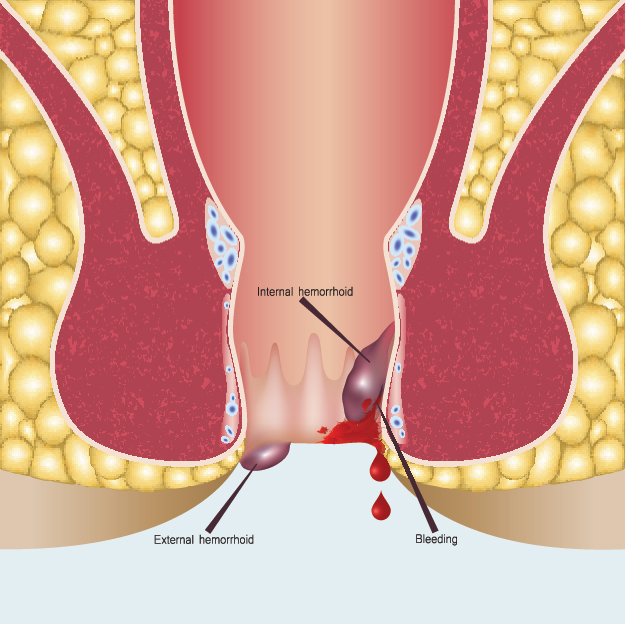
Among the various causes of constipation, low-fiber diets are a big culprit as they put much pressure on bowel movements and worsen piles.
Consumption of fiber, in this case, has been known to soften the stool hence easing the pressure applied to the vessels. This decreases the pressure on the piles, preventing piles altogether.
Cautious Path for Broad High Fiber Foods for Piles in Nepal
There are many natural fiber-containing foods common in Nepali that are very beneficial when included as part of the meal plan to treat piles. Here are some of the best high-fiber foods for piles:
1. Fruits
Fruits have a high fructose which is good for the body since they’re rich in soluble and insoluble fiber. This is proven to help fight constipation. Some of the best fruits for piles include:
a) Guava: The food is also rich in fiber that enables the proper movement of bowels hence treating constipation.
b) Apples: Apples are high in water content and fiber making them suitable for easing digestion associated with piles.
c) Pears: Pears contain both soluble and insoluble fiber. This makes the stool soft and does not exert much pressure on the colon muscles to pass stool.
d) Papaya: The use of papaya is well known by many for its multiple effects at the digestive level. Papaya helps prevent constipation which is a cause of piles.
2. Vegetables
These include green vegetables because they are the most important group of vegetables in Nepal due to their high fiber content.
These vegetables aid in digestion and assist in avoiding constipation which on the other hand leads to piles. Some high-fiber vegetables include:
a) Spinach: This is rich in fiber and taking it will help make bowel movements less strainful.
b) Cauliflower: A vegetable with fiber, which is very beneficial for digestion and especially for minimizing the signs of piles.
c) Pumpkin: Pumpkin is an exceptionally good natural bulk-forming fiber for constipation relief assisting in the softening of stools.
d) Carrots: Carrots are rich in soluble as well as insoluble fiber making them great aid to soothe piles’s discomfort.
3. Whole Grains
It also stated that whole grains contain fiber and consuming them can drastically improve digestion thereby preventing constipation. Here are some whole grains that can be easily included in a Nepali diet:
a) Brown rice: While white rice undergoes further processing losing its outermost layer, brown rice contains the outermost defensive layer. This layer is rich in fiber and dietary fiber is important for digestive ailments.
b) Barley: Barley falls in the category of rich and high-fiber foods for piles. It aids in the formation of bulky soft stools as well as reduces piles.
c) Oats: Oats produce soluble fiber that aids in checkmating constipation, hence consider taking oats to overcome the issue.
4. Legumes
Beans are very rich in fiber and may be included in the diet of anyone including those suffering from piles. Foods such as lentils, beans, and peas are good sources of fiber that are good in controlling this condition. Some high-fiber legumes include:
a) Lentils: Lentils are well endowed with fibers and proteins and are most often used in managing conditions that hinder free bowel movement.
b) Chickpeas: Chickpeas contain high fiber and can be used in many Nepali food recipes like chana masala or Chickpeas soup.
c) Beans: There are many types of beans: red kidney beans, black beans, mung beans, and so on. All of these beans are good sources of fiber and can be good for the piles.
5. Nuts and Seeds
The nuts and seeds are not only a source of lean fat, but can also supply a good body of fiber that helps to prevent constipation, which is a common cause of piles. Some fiber-rich nuts and seeds include:
a) Almonds: Almonds are a rich source of fiber and healthy fats that improve digestion and encourage regular bowel movements.
b) Flaxseeds: It is a good source of fiber and omega-3 fatty acids that assist in breaking down inflammation and the digestive system.”
c) Chia seeds: They are tiny seeds, but they are rich in fiber that’s why it can make the stool less hard and painful to have bowel movements.
6. Leafy Greens
Besides the veggies mentioned above some other green leaves like methi (fenugreek), sarson (mustard), and karela (bitter gourd) leaves are fabulous sources of fiber. Such can be conveniently added to traditional Nepali recipes such as curry or soup to increase the fiber values.
Some Other Tips When Managing Piles through Diet
a) Drink Plenty of Water: Fiber has its best effects when consumed together with sufficient amount of water. Drinking a lot of water during the day softens the stool making bowel movement less straining.
b) Limit Processed Foods: Many processed foods do not have fiber and lead to constipation which worsens the piles. Include many whole or raw foods in your daily meals and snacks for better digestion.
c) Regular Exercise: This means that besides controlling what one takes to eat and drink, a lot of importance should be placed on taking regular exercises to reduce the chances of constipation.
The most beneficial approach to the regular prevention of piles is the inclusion of high-fiber foods into a daily meal plan.
In the context of the Nepalese diet though, one can easily get great amounts of high-fiber food for piles that are needed to relieve this condition in the form of fruits and vegetables, whole grains, and legumes.
If people suffering from piles adopt these dietary measures and a proper hygienic way of living, they can heave a sigh of relief and can lead a normal life.
Therefore, one should seek medical help any time they develop what might be symptoms of piles persistently.

